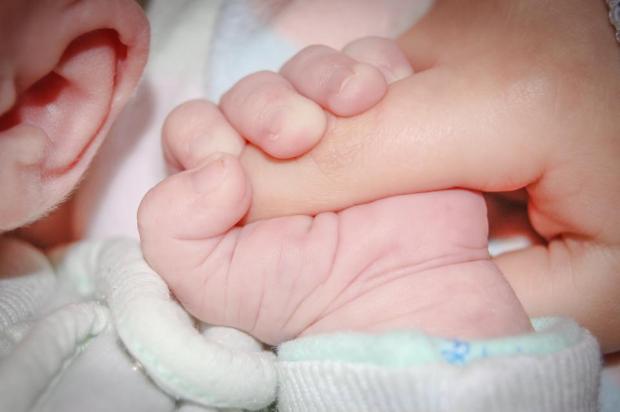
Recently, The Tennessee Department of Human Services, which regulates rules for child care centers across the state, has issued new rules/guidelines regarding the care of infants and, specifically, safe sleeping. Effective October 2016, infants may only sleep in a crib with a tight fitted sheet. Blankets of all types are prohibited as are sleep sacks. Additionally, babies should be dressed lightly to avoid overheating. One-piece footed sleepers are an acceptable alternative for keeping infants warm without the use of potentially dangerous loose bedding.
Other Safe Sleep Tips
- Always place babies on their backs to sleep at night and at nap time. Babies who sleep on their backs are less likely to die of Sudden Infant Death Syndrome (SIDS).
- Babies should always sleep in a crib. The safest place for a baby is in the same room as the parents but alone in a separate sleep area.
- Keep loose objects, soft toys, and bedding out of the baby’s sleep area. Do not use pillows and blankets in a baby’s sleeping area. A baby should sleep in a crib with only a tight fitting sheet.
- Avoid letting your baby overheat during the night. A baby should be dressed lightly for sleep. Set the room temperature in a range that is comfortable for a lightly clothed adult.
- Do not use crib bumpers. These do not reduce injuries and can cause suffocation.
- Avoid smoking. Both maternal smoking during pregnancy and secondhand smoke after birth should be avoided.
- Breastfeeding is recommended for at least the first six months of life. Breastfeeding is associated with a reduced risk of SIDS.
– See more at: https://www.tn.gov/health/article/safe-sleep-tips#sthash.NsFQlhbQ.dpuf

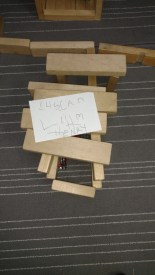 and effort. When it is “clean up time”, often it is expected that the work be dismantled and all of the parts put


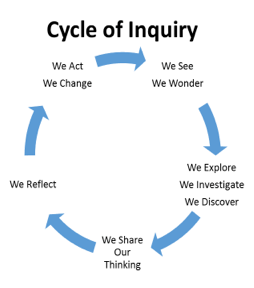 “I think they were first eggs when we got the stick.”, “Yeah, they were eggs and then they climbed up.” “There are a lot in the stick because it is a big stick.” “That one is a female, see the wings?” “Do they have babies?”, “They have strong jaws to chew wood.” “They eat wood, that is why they are in our stick” “There are workers and soldiers.” “Be careful, the soldiers can spray you.” (back to Sam’s erroneous earlier statement). Although the adult/teacher/parent instinct might be to ditch the stick as quickly as possible, the possibilities for learning are so great that Anthony decided to wait and let the children do more observing, investigating, researching, and reflection before finding a more suitable home for the termites.


 McKendree Daycare